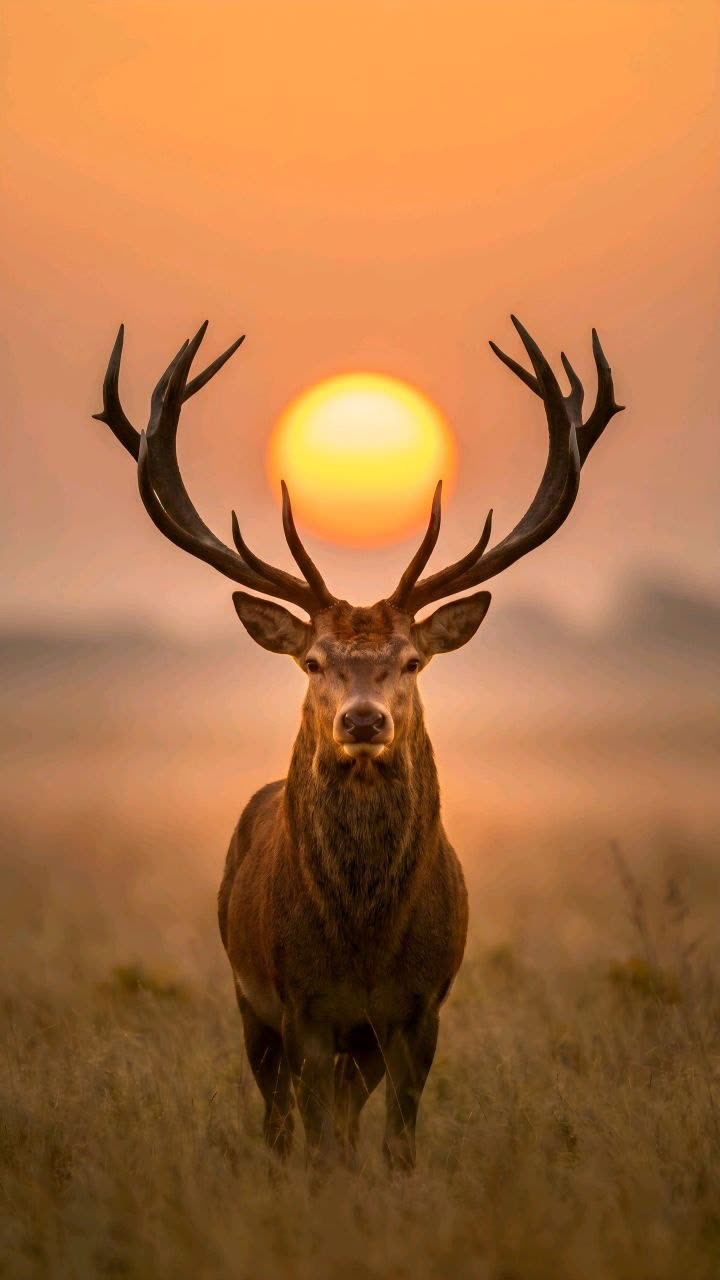
Why this species matters
Kanha's conservation history is closely associated with protecting the hard-ground barasingha. Its story demonstrates how habitat protection, monitoring and long-term conservation can shape the future of a threatened wildlife population.
Habitat and behaviour
Barasingha are closely associated with open grassland and meadow habitat. In Kanha, these landscapes form an important contrast to the surrounding forest and are valuable for observing herbivore behaviour as well as birds and other wildlife.
What to focus on during a safari
Meadow observation rewards patience. Rather than focusing only on antlered males, look at herd structure, feeding behaviour and interactions with the surrounding landscape. Exact visibility changes with conditions and animal movement.
Wildlife photography approach
Meadows can create clean backgrounds and changing light, but avoid turning an open sighting into a race between vehicles. Longer lenses, careful exposure and patient observation are more useful than moving closer.
Responsible viewing
Keep a respectful distance, avoid blocking the herd's movement and follow guide instructions. Do not call, feed or otherwise alter animal behaviour to improve a photograph or sighting.
Why Kanha's Barasingha story matters
The hard-ground Barasingha is closely tied to Kanha's conservation identity. Its recovery is useful for understanding that wildlife conservation is not only about protecting individual animals: suitable grassland, water, habitat management, monitoring and long-term protection all influence whether a threatened population can persist. For visitors, the species is therefore part of the wider story of Kanha's meadows and conservation work, not simply another animal to add to a safari checklist.
Observing Barasingha responsibly
Open meadow habitat can make Barasingha easier to study when animals are visible, but visibility changes with season, weather, vegetation and animal movement. Give herds space, keep the vehicle position stable and follow the official guide's instructions. Avoid crowding, calling, feeding or changing an animal's behaviour for a photograph. Patient observation often provides more useful wildlife experience than trying to get closer.