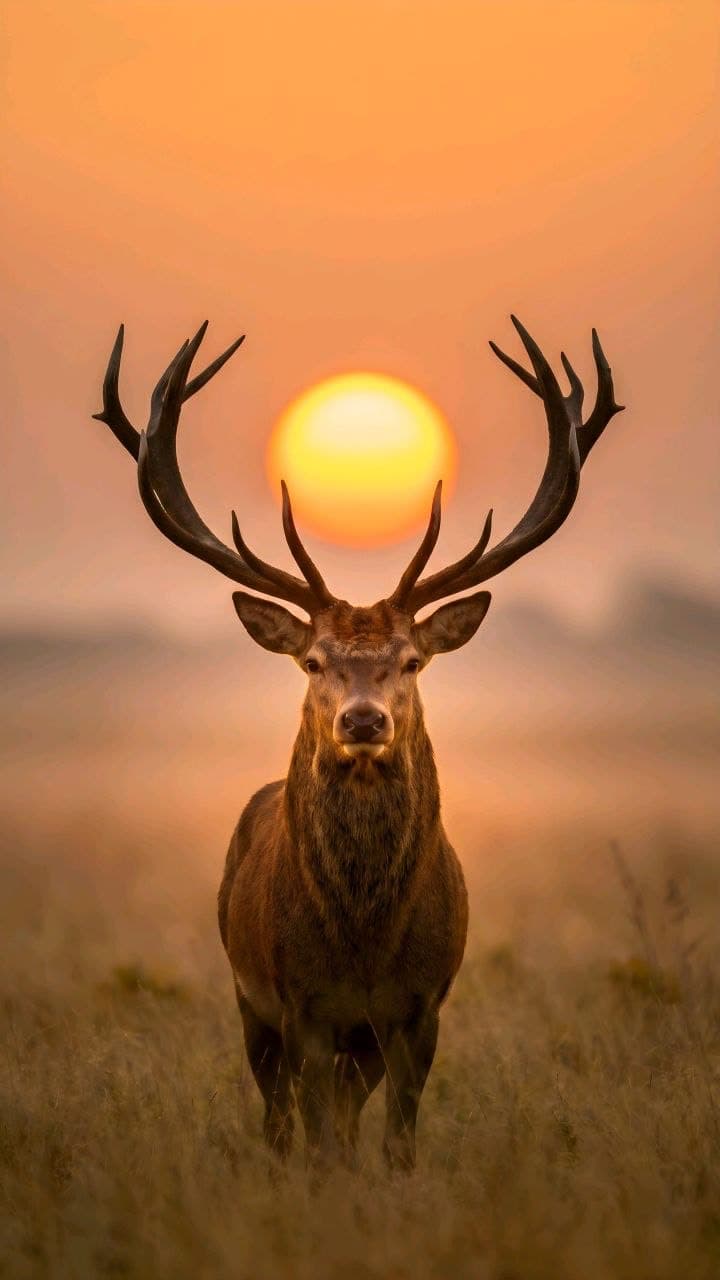
Kanha's wildlife story is not only about tiger protection. Habitat management, the recovery of hard-ground barasingha, herbivore management, translocation and community participation all contribute to the reserve's conservation landscape.
Barasingha recovery
The hard-ground barasingha became critically reduced in Kanha's landscape before intensive protection and habitat work helped the population recover. Historical sources describe a low point of about 66 animals around 1970. Current population figures should be checked against the latest official count rather than treated as permanent.
Habitat before numbers
The barasingha story demonstrates why wildlife recovery cannot be separated from habitat. Meadows, tall grasses, water and protection from excessive grazing pressure are part of the ecological foundation for herbivore recovery.
Conservation translocation
Kanha has also contributed animals to conservation translocation programmes. Barasingha have been moved to alternative habitats, while other large herbivore translocations from Kanha have supported recovery efforts elsewhere. Exact numbers and destination status should be cited to the relevant current or historical official source.
Rewilding and rehabilitation
Kanha's conservation history includes work with orphaned tiger cubs and attempts to prepare suitable animals for life in the wild. Rewilding is a specialist process and should not be presented as a routine tourism activity.
Protection and monitoring
Forest protection depends on patrols, monitoring, trained personnel and coordination across management areas. Visitors experience only a small part of this year-round work when they enter the tourism landscape.
People and conservation
Tourism can connect local livelihoods with the reserve through guiding, driving and other employment and training. Community participation, education and local opportunity are important parts of a durable conservation model.
Why this matters to safari visitors
A safari becomes more meaningful when visitors understand why meadows are maintained, why herbivore behaviour matters and why wildlife sightings cannot be guaranteed. The goal is observation without disturbance and a better understanding of the ecosystem that makes a tiger landscape possible.
The Barasingha story, Kanha's meadows and responsible wildlife viewing are closely connected. Read the species and habitat guides first, then use the safari-planning pages for current access, permits and itinerary decisions.
Conservation programmes, population estimates, translocation numbers and management practices can change over time. Historical figures on this page are intentionally date-qualified or described cautiously; current claims should be checked against the latest official information.