Kanha's Hard Ground Barasingha (Rucervus duvaucelii branderi) is a subspecies of swamp deer associated with the Kanha landscape. Its population fell to roughly 66 animals by 1970, but decades of habitat protection and conservation work by the Madhya Pradesh Forest Department helped bring it back — making it one of India's notable conservation success stories.
What Makes the Barasingha Unique
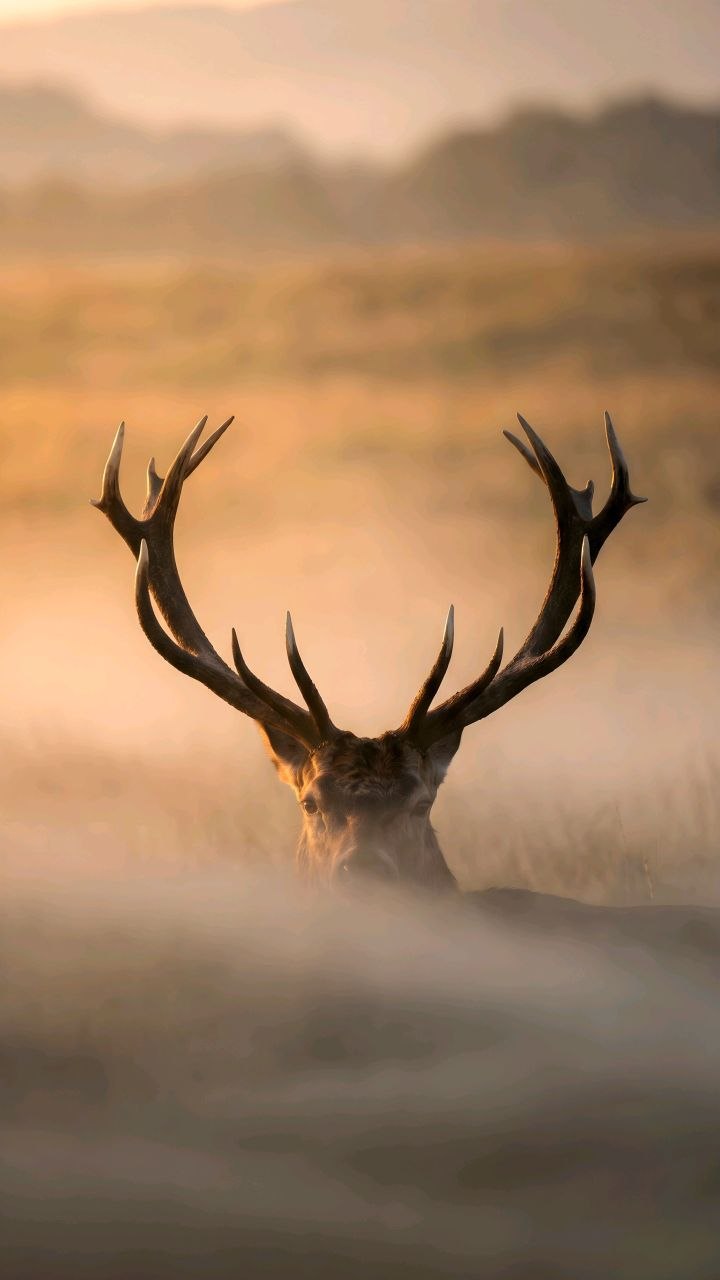
Unlike other barasingha subspecies found in India's wetlands, Kanha's population is adapted to hard, dry ground rather than marshland — hence the name Hard Ground Barasingha. Males carry an impressive, many-tined antler rack, and the species is the state animal of Madhya Pradesh.
The species is also known as the 'twelve-tined deer' (barah singha means twelve horns in Hindi), referring to the number of antler points a mature stag can grow.
Bhoorsingh the Barasingha — Kanha's Official Mascot
The Kanha Tiger Reserve identifies 'Bhoorsingh the Barasingha' as the official mascot of Kanha National Park. The mascot puts the hard-ground Barasingha at the centre of Kanha's public conservation identity, reflecting the reserve's long history of protecting this distinctive deer.
For visitors, the story is a reminder that Kanha's conservation identity extends beyond the tiger. The Barasingha represents habitat protection, long-term management and the importance of keeping open meadow ecosystems healthy.
The Brush With Extinction
By the late 1960s, hunting, habitat loss, and competition from livestock had pushed the Hard Ground Barasingha to fewer than 100 individuals, all confined to Kanha. Conservationists at the time considered the subspecies at serious risk without urgent intervention.
How the Recovery Happened
The Madhya Pradesh Forest Department, working with wildlife biologists, protected breeding efforts within Kanha to shield the remaining herd while numbers recovered. Grassland management — maintaining the meadows the Barasingha depends on for grazing — ran alongside this effort.
Over the following decades, the population climbed steadily. Kanha's Barasingha recovery became an important conservation example, with animals also used in reintroduction efforts elsewhere in Madhya Pradesh.
Where to See Barasingha in Kanha
Open meadows are important Barasingha habitat, but wildlife encounters vary by season, route and day. Guides can help interpret the landscape and any herd activity encountered during the safari.
Need to know
Frequently asked questions
Why is the Barasingha important to Kanha?+
The Hard Ground Barasingha is a defining part of Kanha's conservation story and is the state animal of Madhya Pradesh. Its recovery from a very small population is an important conservation achievement.
Where can I see Barasingha on safari?+
Barasingha use open grassland habitat, but no zone or route can guarantee an encounter. Your guide can help interpret habitat and current wildlife activity during the safari.
How many Barasingha are in Kanha today?+
The population has recovered substantially from its historic low through decades of habitat and conservation management. For current numbers, use the latest official reserve or research report rather than relying on a static travel figure.
Who is Bhoorsingh the Barasingha?+
Bhoorsingh the Barasingha is the official mascot of Kanha National Park, representing the reserve's conservation identity and its long association with hard-ground Barasingha protection.
Take it into the forest
Ready to plan your Kanha safari?
Choose your zone, date and stay, then let Wildlife Strips take care of the details.
Plan Your Wildlife Trip