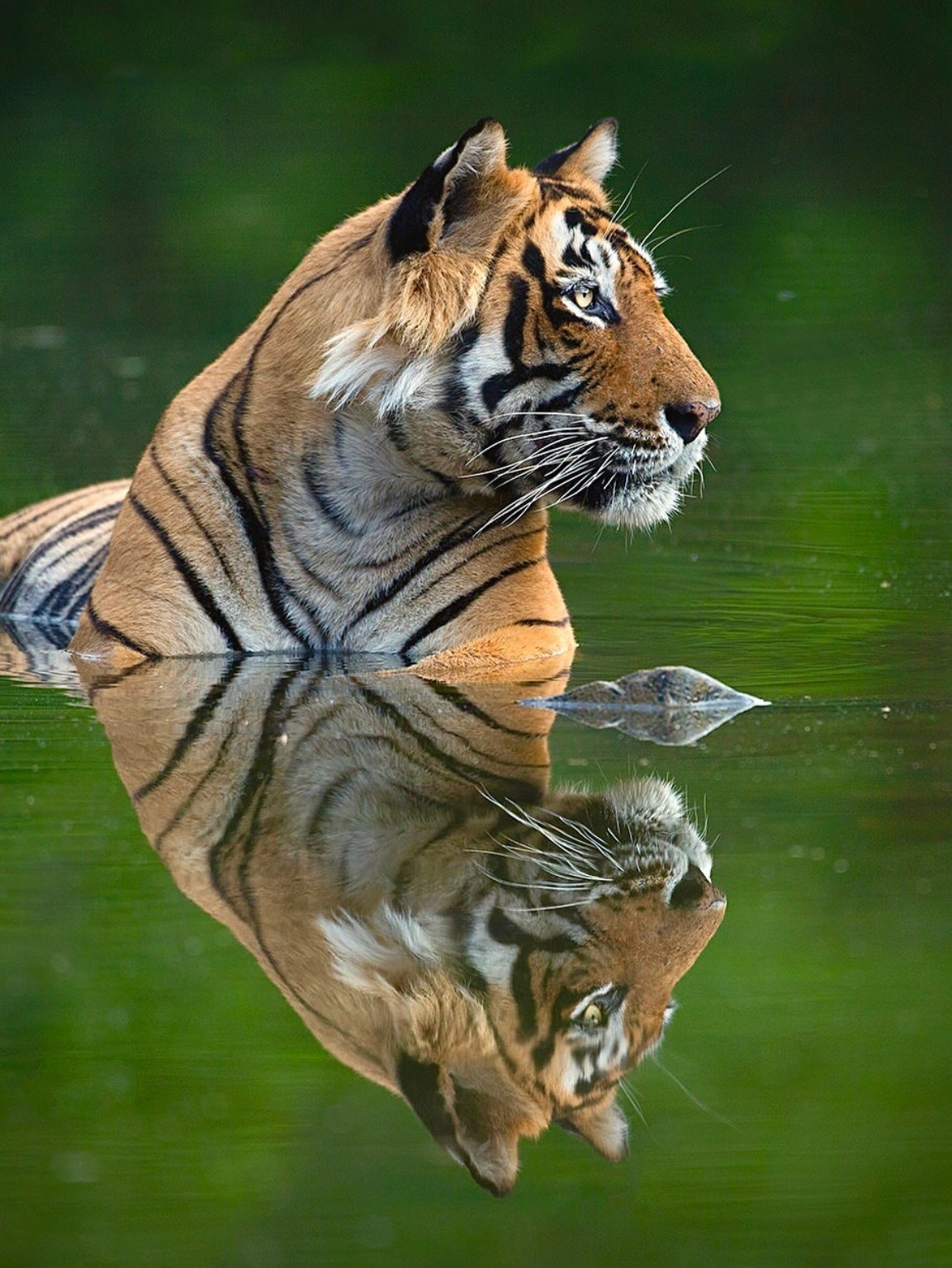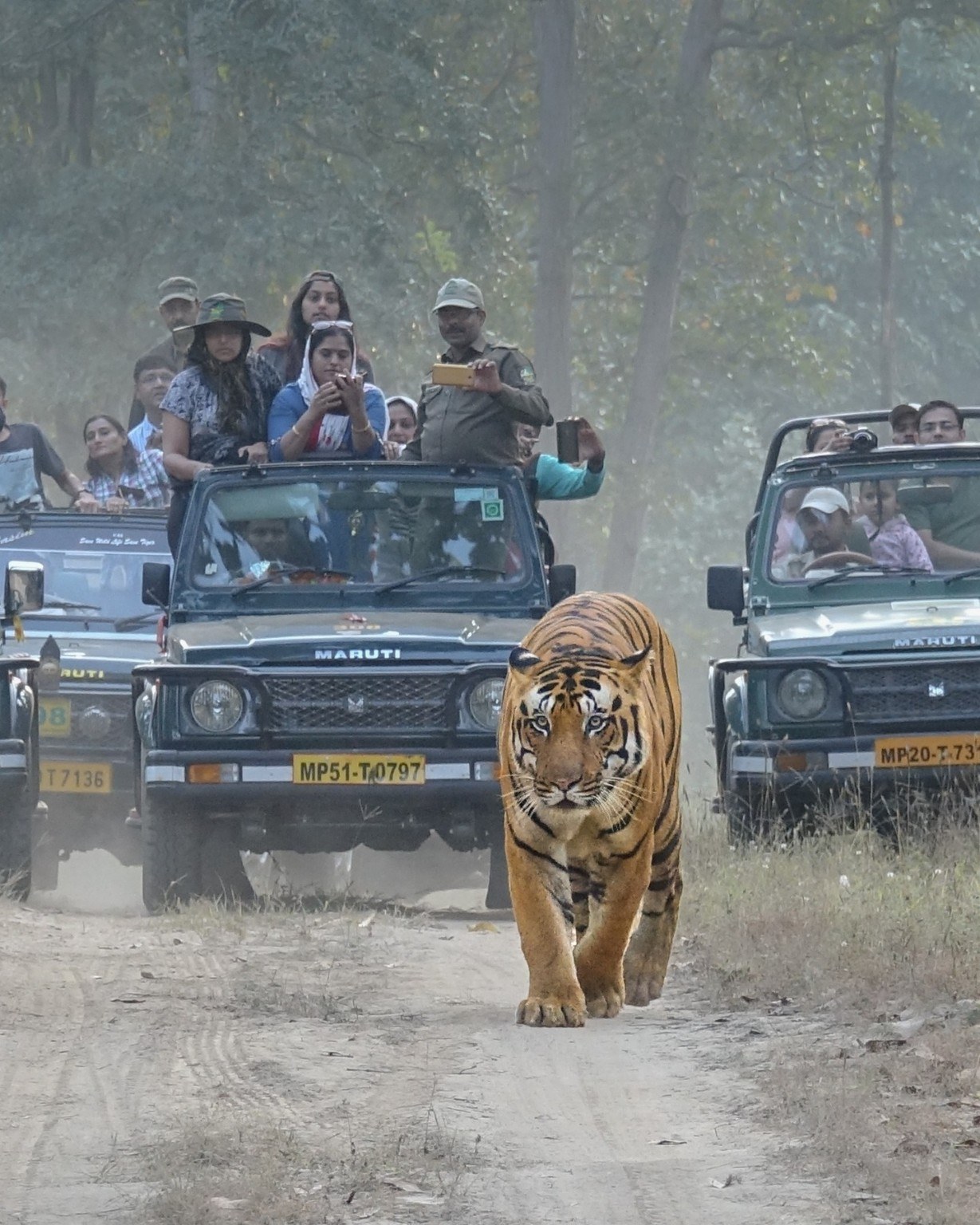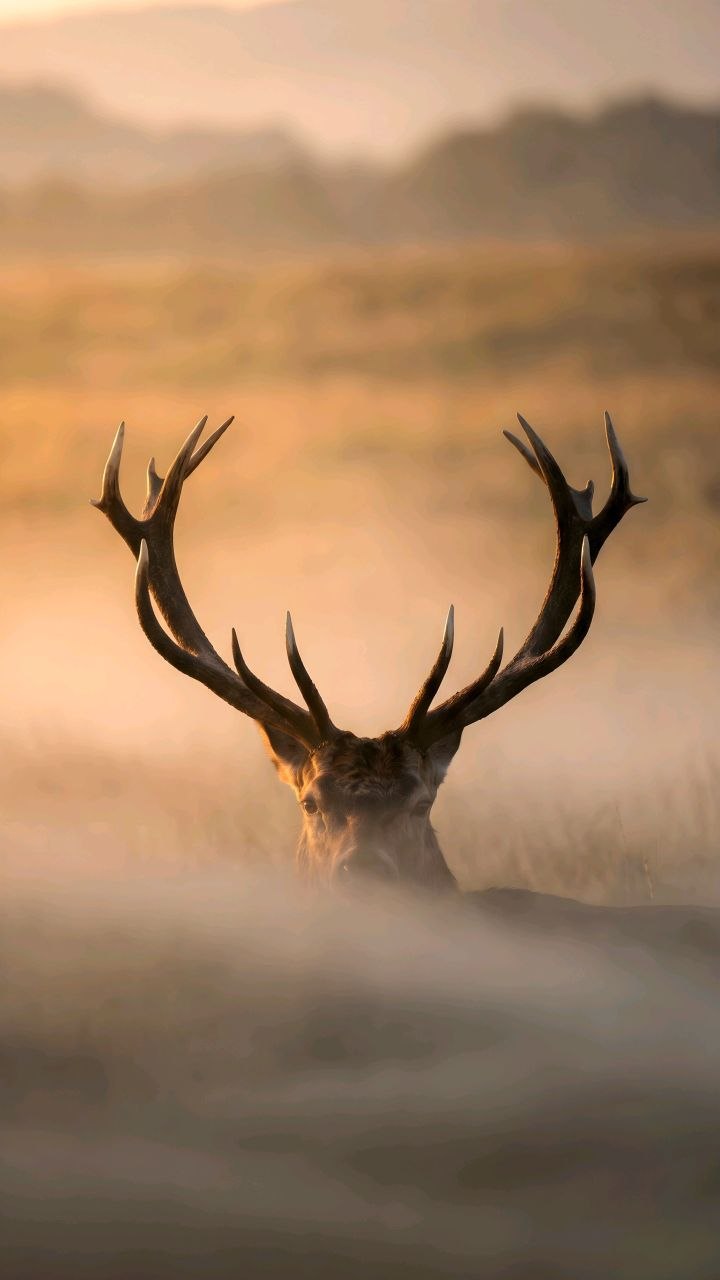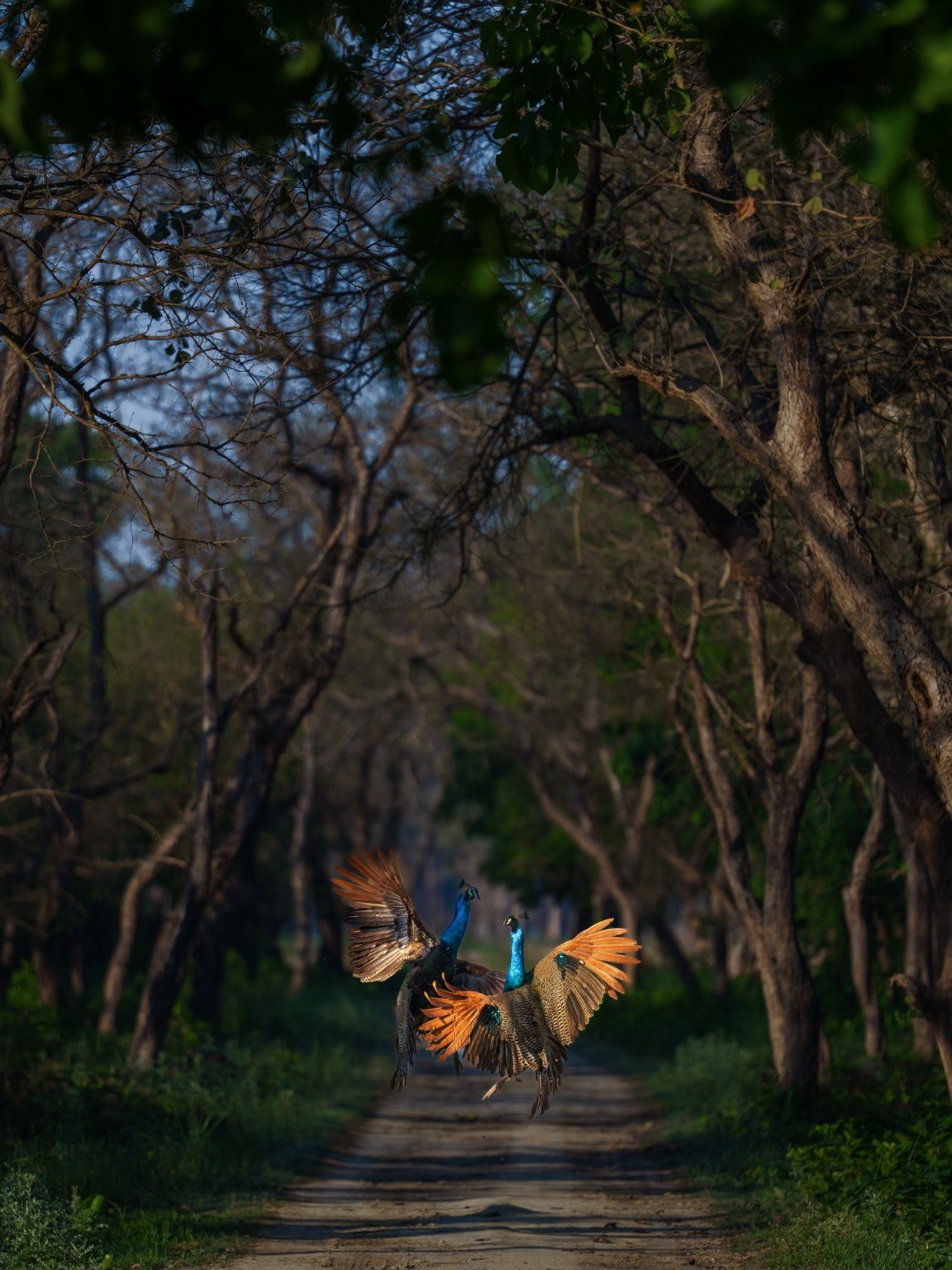
The single most useful setting for wildlife photography in Kanha is a fast shutter speed — at least 1/1000s — combined with continuous autofocus and burst mode, since encounters can develop quickly. Pair that with a 300mm+ zoom lens if you're shooting distant wildlife or birds.
Gear: What Actually Matters
You don't need professional-grade equipment to come home with good photos, but focal length matters more than almost anything else. A 70–300mm zoom is a practical option for wildlife at safari distances; birders and those chasing tighter portraits benefit from 400mm or more.
A monopod is far more practical than a tripod inside a moving jeep — it stabilises your shot without needing the space a tripod demands. If you only have a phone camera, use its zoom sparingly and prioritise wider shots of the landscape, herds, and behaviour instead of distant single-animal close-ups.
Camera Settings for Fast-Moving Wildlife
Shutter speed is your priority. For a walking or resting animal, 1/500s to 1/1000s is usually enough; for anything running or birds in flight, push to 1/2000s or faster. Set your camera to continuous (burst) shooting mode and continuous autofocus (AI Servo / AF-C) so it keeps tracking a moving subject rather than locking focus once.
In the low light of early morning safaris, you'll need to raise your ISO — don't be afraid of ISO 800–3200 on a modern camera. A slightly grainy in-focus shot beats a clean but blurred one every time.
- Shutter speed: 1/500s minimum, 1/2000s+ for fast movement
- Mode: Aperture priority or manual, widest usable aperture for low light
- Focus: Continuous/AI Servo, burst shooting mode
- ISO: Don't hesitate to raise it in early morning light
Best Light and Timing
Early and late parts of a permitted safari can sometimes provide softer light, but conditions vary with season, weather, vegetation and the actual operating window. Strong daytime light can be challenging for some photography, so use it for wider landscape shots rather than portraits.
Field Techniques
Keep your camera on and settings pre-adjusted before you encounter wildlife — by the time you spot movement, you may have only a few seconds. Compose for the environment, not just the animal; a tiger walking through dappled sal-forest light can make a more compelling photo than a tight crop.
Follow your guide's cues. Experienced naturalists read alarm calls and body language before most visitors notice anything, giving you a head start to prepare your shot.
Before you go
Quick checklist
Need to know
Frequently asked questions
What lens is best for tiger photography in Kanha?+
A zoom lens in the 300–400mm range covers many safari photography situations well. Serious wildlife photographers often go further, to 500mm or more, but 300mm is a practical starting point.
Can I use a tripod inside the safari jeep?+
Tripods are impractical in a moving, shared jeep. A monopod or simply bracing your camera against the jeep frame works better for stabilisation.
Is a phone camera good enough for a Kanha safari?+
Phone cameras work well for landscapes, group shots, and closer encounters, but their zoom struggles with distant wildlife. Focus phone shots on the wider forest scene and closer subjects like deer or langurs.
Take it into the forest
Ready to plan your Kanha safari?
Choose your zone, date and stay, then let Wildlife Strips take care of the details.
Plan Your Wildlife Trip