It's easy to treat the forest as a backdrop for wildlife sightings, but in Kanha the landscape itself does a lot of the work — sal forest, open grassland, and water sources each shape where animals feed, rest, and move through the day.
Sal Forest
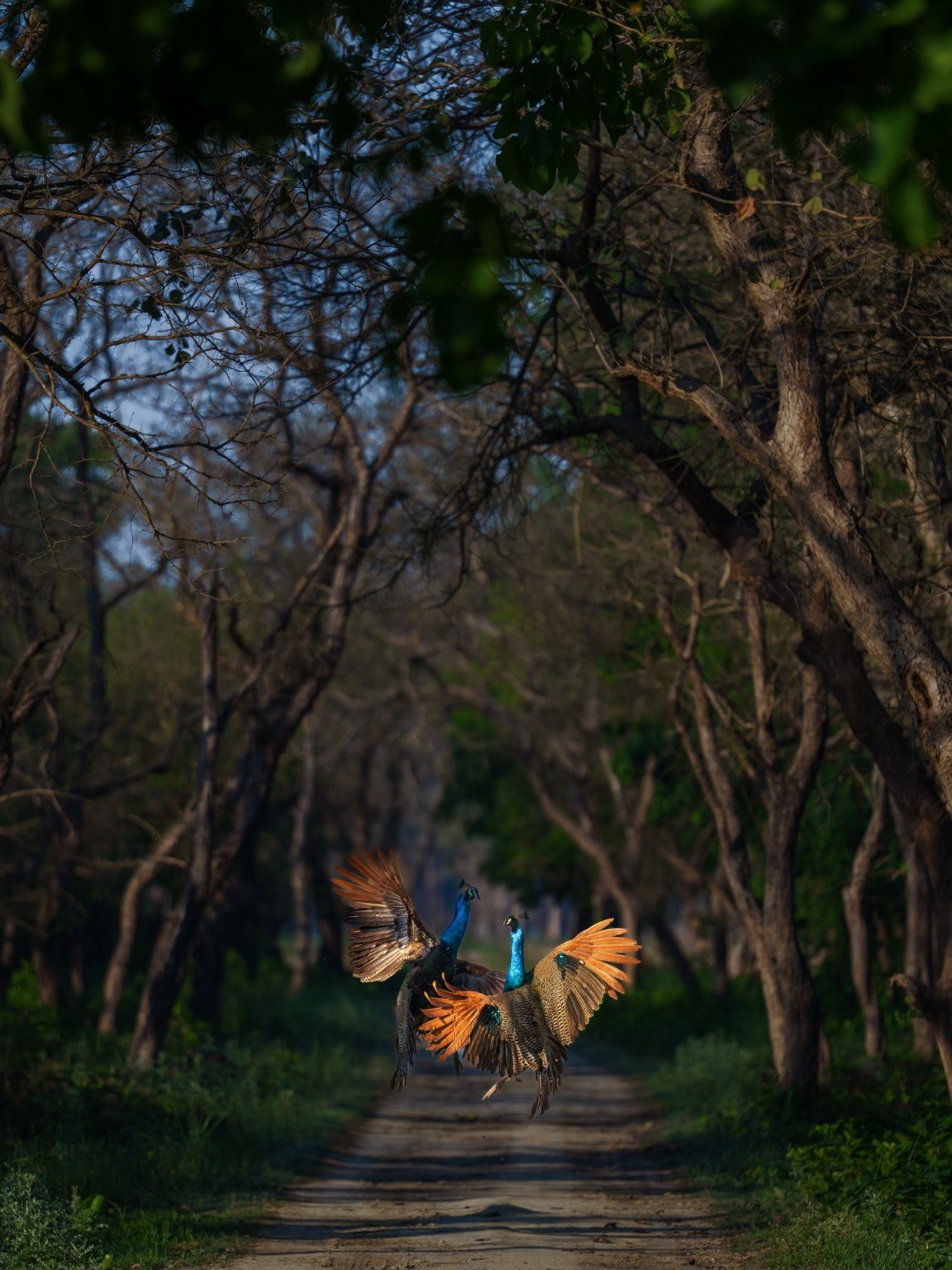
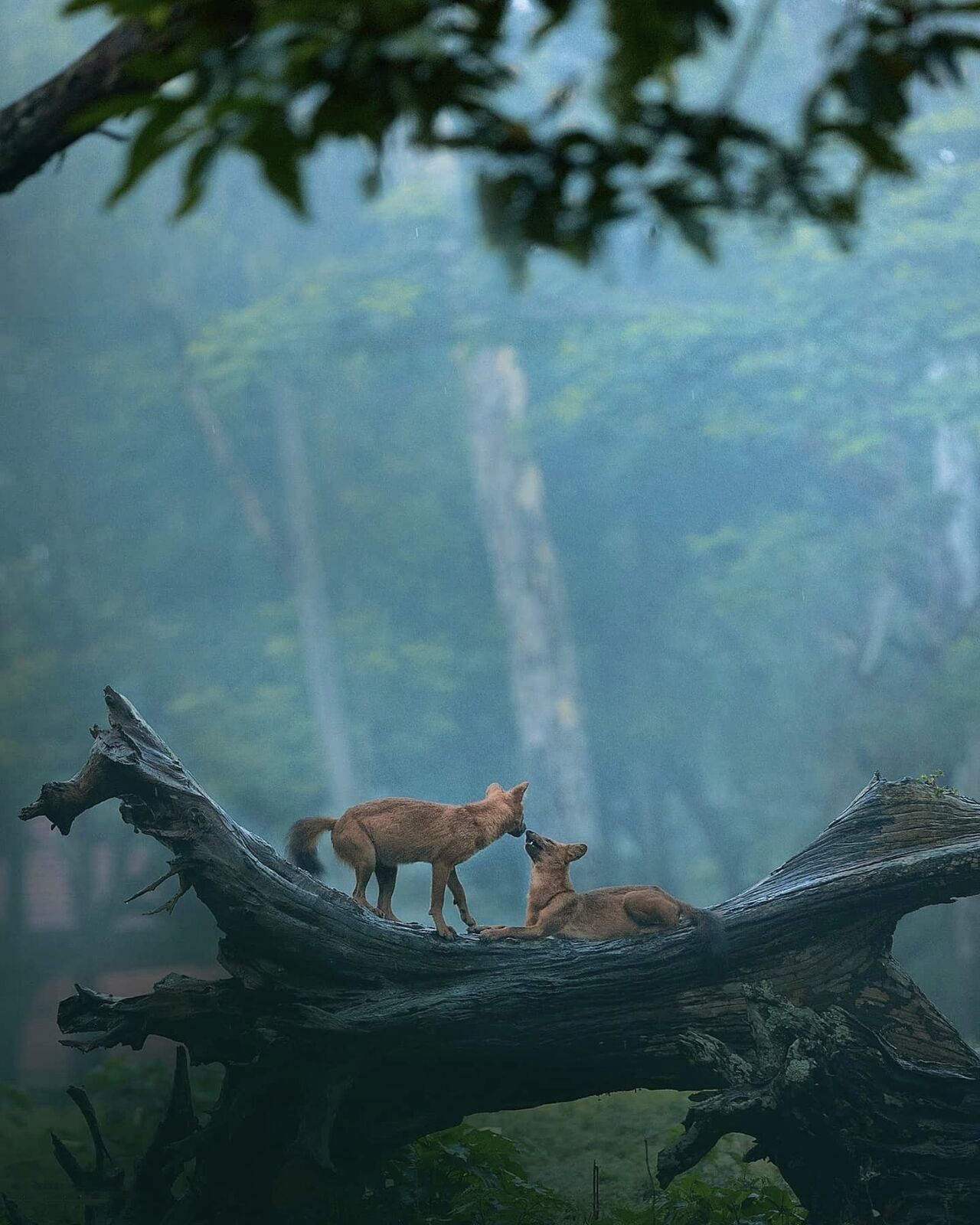
Tall sal (Shorea robusta) forest forms much of Kanha's canopy, providing shade and cover for deer, langur, and predators moving through it. The character of sal forest shifts dramatically with the season — dense and green after the monsoon, drier and more open by late summer, which is part of why wildlife visibility changes through the year.
The Maidans (Meadows)
Kanha's open grasslands, locally called maidans, are a defining feature of the park and part of why they are important to Barasingha habitat. These clearings let herbivores graze in the open while giving predators and guides alike a clear line of sight — but encounters remain unpredictable.
Water Sources
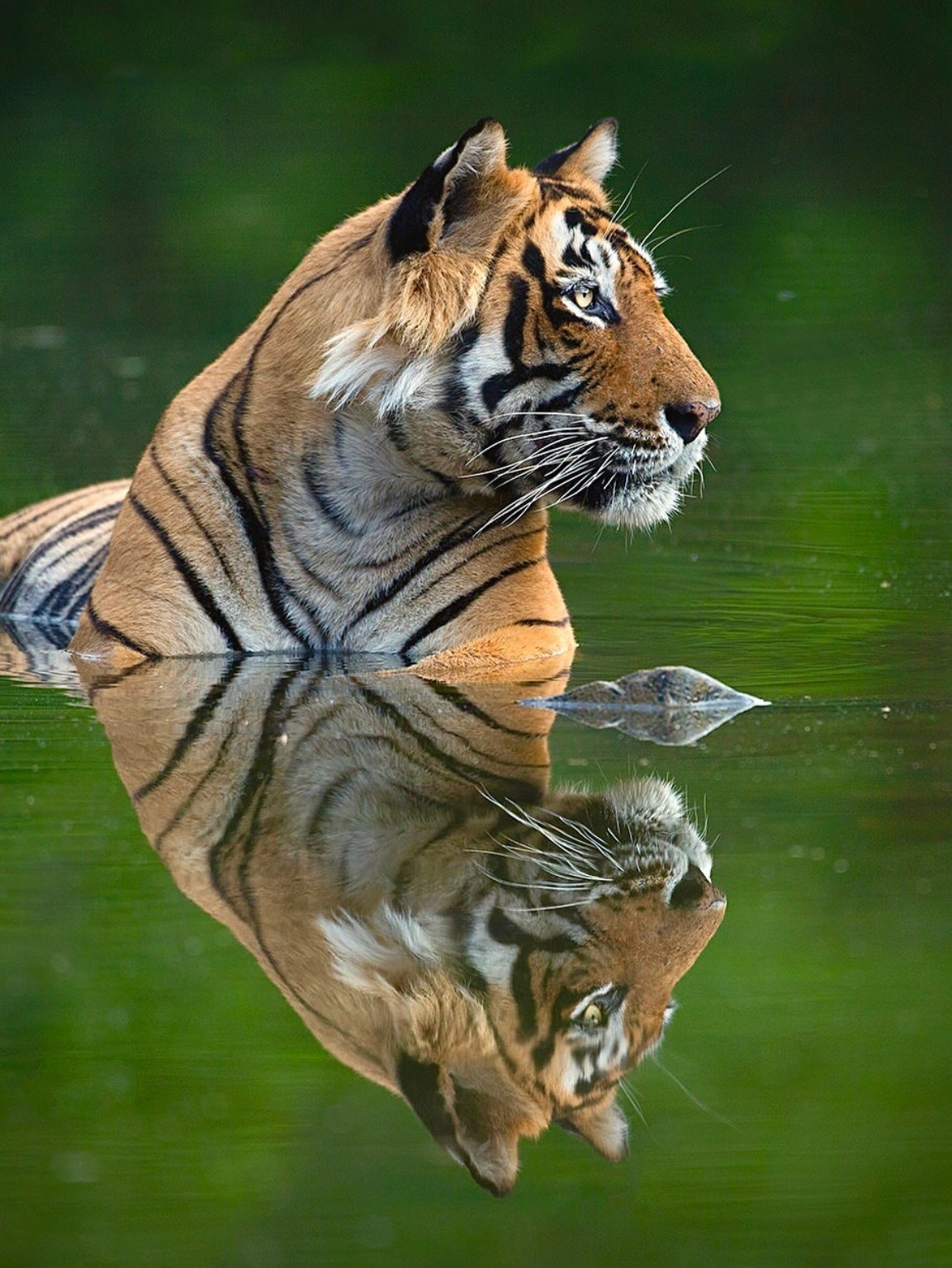
Streams, waterholes, and seasonal water bodies can influence animal movement, especially as the dry season progresses and surface water becomes scarcer elsewhere. Guides may consider known water points when interpreting wildlife activity during summer months, but they cannot predict a particular sighting.
Before you go
Quick checklist
Need to know
Frequently asked questions
What is a 'maidan' in Kanha?+
A maidan is a natural open grassland clearing within the forest. Kanha's maidans are a defining habitat feature and an important part of the park's Barasingha conservation history.
Does Kanha's landscape change with the seasons?+
Yes, significantly. Post-monsoon forest is dense and green; by peak summer vegetation becomes drier, changing visibility and wildlife movement.
Why do guides focus on water sources in summer?+
As temperatures rise and surface water becomes scarcer, water sources can become useful reference points for interpreting animal movement. They do not guarantee a sighting.
Take it into the forest
Ready to plan your Kanha safari?
Choose your zone, date and stay, then let Wildlife Strips take care of the details.
Plan Your Wildlife Trip